
The Effects of Smoking and How Quitting Heals Your Body
The effects of smoking are more than just a habit and it inflicts devastating damage on nearly every system in your body. Yet, there’s hope: the moment you put down your last cigarette, your body begins an extraordinary recovery journey. In this article, we’ll explore exactly how smoking wrecks your brain, heart, lungs, and digestion and walk you through the powerful timeline of healing that kicks in as soon as 20 minutes after quitting.
Most people already know that smoking is dangerous, but few realize how rapidly the damage multiplies and how quickly your body can begin to repair itself. By the end of this post, you’ll not only understand the full scope of smoking’s harmful effects, but also feel motivated by the science-backed stages of recovery. Whether you’re considering quitting or supporting someone who is, this guide offers clear, hopeful insights and practical steps to reclaim your health.
The Immediate Neurological Impact
Within seconds of your first puff, smoking effects reach your brain. Nicotine creates a temporary sedative effect that makes you feel momentarily calmer, masking the underlying cellular destruction happening simultaneously. This deceptive comfort is why nicotine addiction proves so powerful.
Chronic smoking causes measurable brain shrinkage, particularly in regions controlling executive function, memory, and attention. Modern neuroimaging reveals that long-term smokers show significant gray matter volume reduction compared to non-smokers. Cigarette smoking causes premature brain aging with smokers’ brains often resembling those of non-smokers 10-15 years older.
The cognitive consequences are real: approximately 35% of smokers over 50 experience cognitive impairment, compared to just 18% of non-smokers in the same age group. Memory lapses, difficulty concentrating, and slower processing speed are direct results of smoking effects on your central nervous system.
Cardiovascular Destruction: Your Heart Under Attack
Heart disease accounts for roughly 40% of all smoking-related deaths globally; making smoking effects on heart health one of the most immediate threats. Smokers face 2-4 times higher risk of coronary heart disease and stroke compared to non-smokers.
Here’s what happens: Within 30 minutes of smoking, nicotine reduces nitric oxide availability by up to 50%, impairing blood vessel function. This endothelial dysfunction triggers arterial plaque buildup. Smokers accumulate 70% more plaque than equivalent non-smokers. The blood pressure spikes, heart rate accelerates, and irregular rhythms develop that can persist for hours after a single cigarette.
Smoking creates a perfect environment for heart attacks and strokes by thickening the blood, increasing clot formation, and damaging arterial walls. Over time, these acute stresses evolve into chronic atherosclerosis and permanent cardiac damage. For individuals looking to counter these effects, adopting heart-strengthening habits is a critical step toward restoring cardiovascular health.
Respiratory Devastation Beyond Lung Cancer
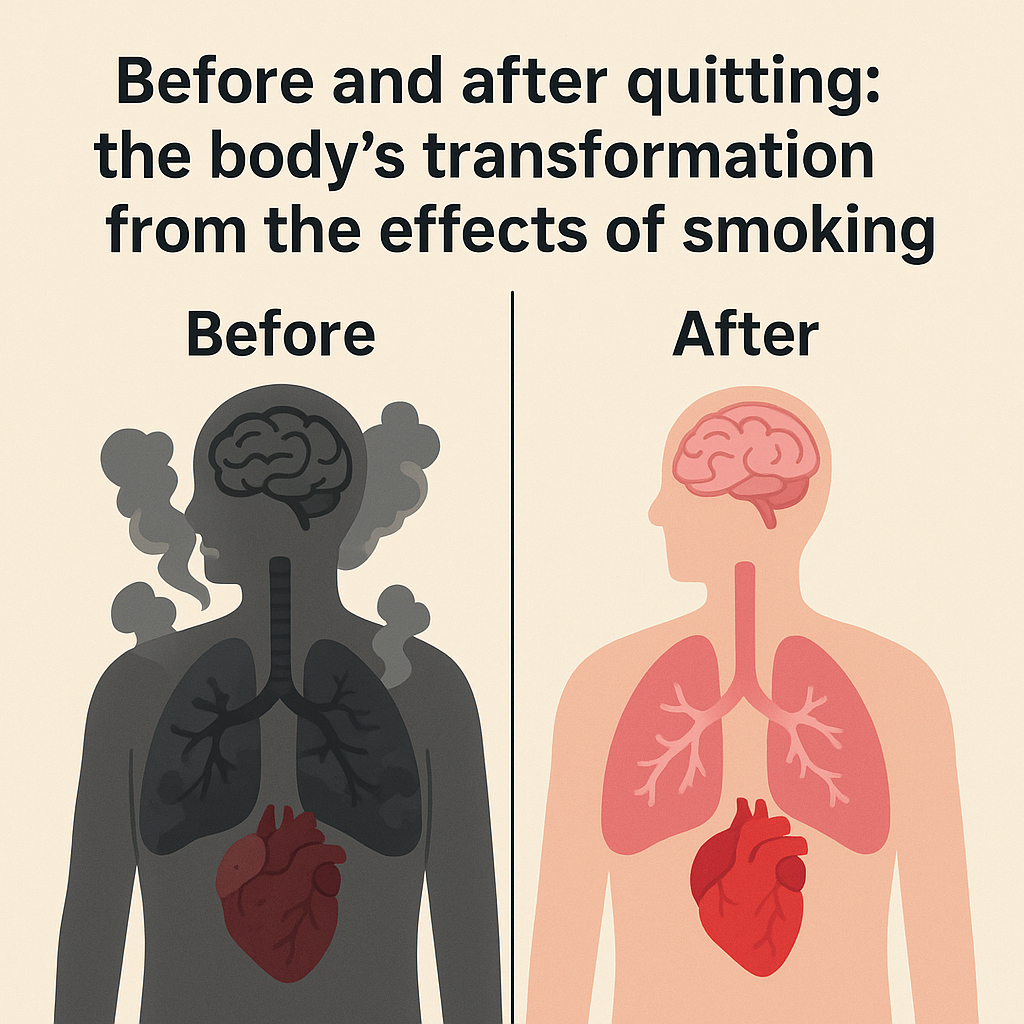
While lung cancer dominates tobacco discussions, smoking effects extend to chronic obstructive pulmonary disease (COPD), emphysema, and progressive respiratory failure that doesn’t always turn into cancer but destroys your breathing capacity nonetheless.
Smokers lose lung capacity at 2-3 times the normal aging rate, with heavy smokers experiencing a decline equivalent to aging 20 years prematurely. This occurs as chronic inflammation destroys alveolar walls, reducing oxygen exchange efficiency by up to 40%.
This process represents a progressive suffocation that occurs day after day, year after year. Protecting your respiratory system requires proactive measures, and understanding the principles of maintaining healthy lung ventilation is a fundamental part of this process.
The worst part? Lung damage from smoking is largely irreversible. Once alveolar walls collapse, they don’t fully recover even after quitting.
Digestive System Breakdown
The effects of smoking reach your entire gastrointestinal tract, disrupting digestive processes and creating serious chronic diseases. Nicotine interferes with stomach and intestinal movements, causing dyspepsia, gastric inflammation, and nutrient malabsorption.
Smoking increases the risk of developing a peptic ulcer and delays the healing of existing ones. Smokers experience ulcer recurrence at much higher rates and face greater complications like perforation. For those managing this condition, adhering to a specialized peptic ulcer diet can be a critical component of treatment. Multiple mechanisms drive the negative effects of smoking: it increases gastric acid, decreases protective mucus, impairs mucosal defense, and alters infection dynamics with harmful bacteria.
Even your digestive efficiency is harmed as you absorb fewer nutrients despite adequate food intake, contributing to malnutrition that compounds other smoking-related health problems. Smoking doesn’t just irritate your gut; it undermines your body’s ability to absorb nutrients. To learn more about how tobacco affects digestion and nutrient uptake, check out our guide on tobacco and nutrition recovery.
The Toxic Chemical Arsenal
Tobacco smoke contains over 4,000 distinct chemical compounds. More than 250 are harmful; 70 are confirmed carcinogens. Heavy metals like cadmium and lead accumulate in your tissues, along with radioactive elements including polonium-210.
Carbon monoxide deserves special attention. It binds to hemoglobin 200 times more readily than oxygen, essentially suffocating your cells from the inside. Chronic smokers maintain blood carbon monoxide levels 4-15 times higher than non-smokers, causing tissue hypoxia and accelerated aging throughout your body.
How Quickly Your Body Recovers
Here’s the hopeful news: Despite devastating effects of smoking, your body demonstrates remarkable healing capacity once you quit.
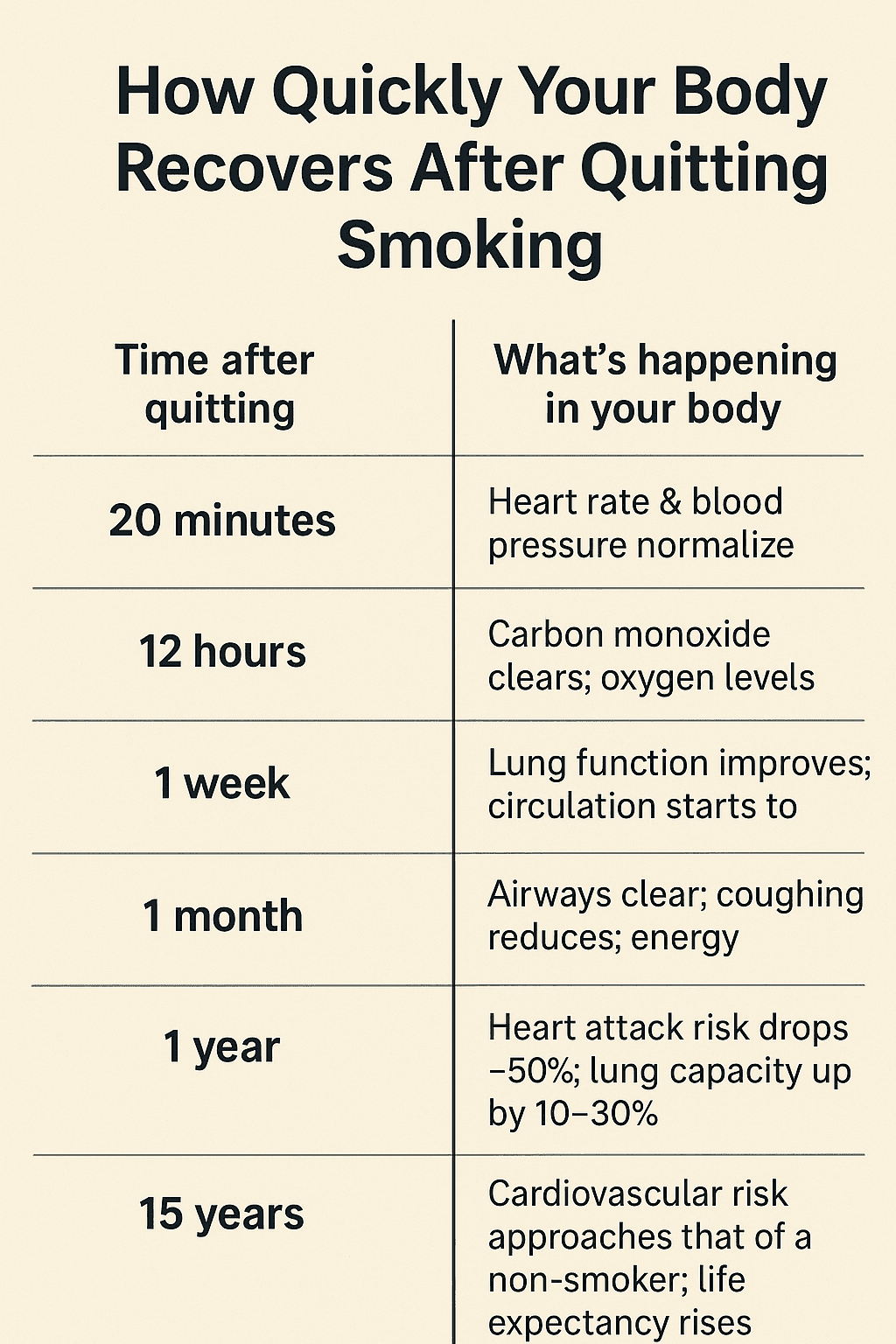
Within 20 minutes: Heart rate and blood pressure normalize.
Within 12 hours: Carbon monoxide levels return to normal; oxygen levels rise.
Within 1 week: Lung function begins improving; circulation enhances.
Within 1 month: Coughing decreases as airways clear; energy increases.
Within 1 year: Heart attack risk drops 50%; lung capacity increases 10-30%.
Within 15 years: Cardiovascular risk approaches non-smoker levels; life expectancy increases significantly.
Quitting before age 40 adds approximately 10 years to your lifespan. Even quitting at 60 provides substantial health gains.
Common Mistakes When Quitting Smoking
Understanding potential pitfalls helps you succeed where others fail:
- Going “cold turkey” without preparation: Withdrawal hits harder. Create a quit date, identify triggers, and develop coping strategies beforehand.
- Isolating yourself: Tell friends and family. Their support dramatically increases success rates. Consider joining a quit smoking program for professional guidance.
- Ignoring withdrawal symptoms: Irritability, anxiety, and cravings peak 3-5 days after quitting but subside within weeks. Nicotine replacement therapy helps manage the effects of smoking.
- Assuming one cigarette is harmless: One cigarette reignites addiction. Complete abstinence is essential. There’s no such thing as “just one.”
- Skipping coping strategies: Replace smoking with alternatives like chewing gum, deep breathing, exercise, or keeping your hands busy.
Frequently Asked Questions About Smoking Effects and Quitting
How long until my lungs heal after quitting smoking?
Lung function begins improving within days. Significant improvements (10-30% capacity increases) occur within the first year, though complete recovery takes 5-10 years for heavy smokers.
What happens 24 hours after quitting?
Your heart attack risk drops immediately. Carbon monoxide clears from your system, allowing better oxygen absorption. You may experience irritability and intense cravings as nicotine withdrawal begins.
What exactly are the effects of smoking on my body within the first week?
Cravings peak around day 3-4, then gradually diminish. Your sense of taste and smell sharpen. Circulation improves, reducing cold hands and feet. You’ll likely feel more fatigued initially as your body expends energy healing the initially induced effects of smoking.
How can I manage withdrawal symptoms?
Nicotine replacement therapy (patches, gum, lozenges), prescription medications like bupropion or varenicline, deep breathing exercises, physical activity, and behavioral support all help. Different strategies work for different people.
How can I avoid weight gain when quitting?
Most people gain 5-10 pounds initially. Increased physical activity, healthy snacking, drinking water, and managing stress prevent excessive weight gain which is one of the common effects of smoking. The health benefits of quitting far outweigh weight gain concerns.
Do nicotine patches and gum really work?
A combination of strategies, including nicotine replacement therapy (patches, gum, lozenges), prescription medications like bupropion or varenicline, and behavioral support, can all be effective for smoking cessation. Different strategies work for different people, and many find that incorporating physical activity and practicing deep breathing exercises provides significant relief from cravings and withdrawal symptoms.
What’s the success rate if I try to quit?
About 3-5% succeed without support. With professional help, apps, or support groups, success rates increase to 25-35%. Multiple quit attempts are normal—most successful quitters try several times before quitting permanently.
Get Professional Support to Quit Smoking
Free Resources:
- National Cancer Institute: Call 1-877-44U-QUIT
- CDC Quit Hotline: 1-800-QUIT-NOW (1-800-784-8669)
- FDA-Approved Apps: QuitNow! and Smoke Free provide daily support and track your progress
Professional Help: Consider behavioral counseling, prescription medications (varenicline/Chantix or bupropion/Zyban), or combination therapy. Your doctor can help determine the best approach for your situation.
Your Body’s Remarkable Resilience
The effects of smoking are serious, but they’re not permanent. Your body possesses incredible healing potential once you stop introducing daily toxins. Within weeks, you’ll feel better. Within months, your cardiovascular risk drops dramatically. Within years, many effects of smoking reverse substantially.
The question isn’t whether quitting works—the evidence is overwhelming. The question is: are you ready to give yourself and your body this gift?
Your future self—healthier, stronger, and free from nicotine’s grip—is waiting. Start today.